

'This is my place' Children's mental health week.

This is My Place
I find that powerful, because at the heart of so many struggles children face is a very simple, very human question:
Do I belong here?
Belonging isn’t just about being included on the register or invited into the room.
It’s about feeling safe enough to be yourself.
Understood enough to be heard.
Accepted enough not to have to mask, perform, or fight to be seen.
When children don’t feel they belong, they don’t always tell us with words.
They tell us through withdrawal.
Through anger.
Through anxiety.
Through behaviour that gets labelled as “challenging”.
And too often, the focus shifts to changing the child, rather than supporting the systems around them.
In my work, I see this again and again: children thrive when the adults around them feel confident, calm, and emotionally literate.
That’s where the real change happens.
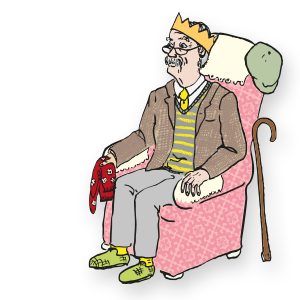
Ollie gives children a way to talk about what’s happening inside without feeling like they are the problem.
It externalises emotions, creates shared language, and invites curiosity instead of correction.
When a child can say, “This bit feels like Ollie today,”
they’re telling us something important: I trust you enough to let you see this.
That moment builds belonging.
How we can help children feel “this is my place”
1. Shift from control to connection
Children feel they belong when they’re understood, not managed.
2. Build shared emotional language
Belonging grows when everyone speaks the same emotional “dialect” children understand.
3. Support the adults, not just the child
Confident adults create safe spaces. Safe spaces create regulated children.
These aren’t big, expensive interventions.
They’re small, relational shifts that ripple through families, classrooms, workplaces, and communities.
So when systems change, children don’t have to fight so hard to fit in.
Email us if you would like to work with an Ollie Coach or if you would like to find out more about being an Ollie Coach.